May 2026Wines of the Month

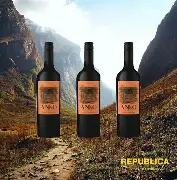
1st Premier Bottle Red: Anko, Malbec, Estancia Los Cardones,Salta, Argentina (2023)

For the wine snob: Anko means “high water” in the native Indian language of Salta, located in the northwest corner of Argentina. The estate vineyards in Estancia Los Cardones, named for the area’s majestic cacti which can grow as tall as 30 feet, are indeed an oasis amid the surrounding jagged landscape. Fermented by gentle destemming with cold maceration for 7 days by natural yeasts.


For the rest of us: Coming from the lower part of the vineyard, where ample sunlight allows for full ripeness, while cold nights preserve its natural acidity. The result is a fresh, balanced, and approachable expression of Malbec.

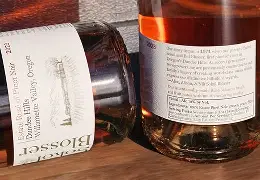
1st Premier Bottle White: Sokol Blosser, Rose of Pinot Noir, Dundee Hills, Willamette Valley, Oregon (2024)

For the wine snob: Only using Pinot Noir grapes to produce this classic, dry Rosé. The grapes are harvested from the Concert Block, the large, central block at the front of the Dundee Hills Estate, that was once the site of the famous Sokol Blosser concerts in the 1990’s. The majority of the Concert Block section is Missoula flood soil, a sedimentary soil which lends itself to producing Pinot Noir that is lighter and delicate, perfect for a Rosé. Harvested and crafted with intention, this wine is made to capture Oregon summer sunshine in a bottle.


For the rest of us: Bursting with ripe strawberry, citrus, melon, and pineapple on the nose. On the palate, tart mango and strawberry offer a lovely balance between the bright red fruit notes and acidity. Beautiful peachy pink Rosé of Pinot Noir is summer in a glass.

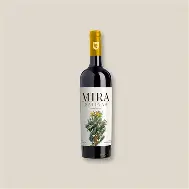
2nd Premier Bottle Red: Bodega Sierra Salinas, Montrasell Mira Salinas, Alicante, Spain (2022)

For the wine snob: Sierra Salinas’ vineyards are currently in the process of being converted to certified organic viticulture, with the goal of respecting the environment and taking advantage of the potential of dry farmed viticulture. Estate grown parcels of Monastrell between 20 and 50 years old. Rocky, chalky soils that are very shallow – between one foot and three and a half feet deep. Very loose soils with good drainage situated right over a limestone mother rock.


For the rest of us: Inky ruby. Ripe dark berry and floral scents show very good clarity and are complemented by suggestions of vanilla, exotic spice and woodsmoke notes. Juicy and focused on the palate, offering appealingly sweet, mineral-laced cherry and black raspberry flavors that tighten up slowly with air. Shows impressive depth as well as liveliness and finishes long and seamless, with lingering floral and smoke note.

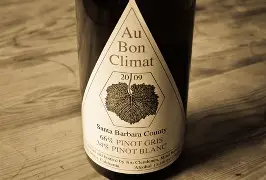
2nd Premier Bottle White: Au Bon Climat, Pinot Gris & Pinot Blanc, Santa Barbara County, California (2023)

For the wine snob:

Harvested with low sugar and high acidity, the crisp Pinot Gris portion of the blend supplies the energy, while the Pinot Blanc delivers minerality and depth. The majority of Pinot Gris is harvested from Sierra Madre Vineyard. The Pinot Blanc portion is from Bien Nacido Vineyard. The 2023 vintage experienced a prolonged and cool growing season, meaning these whites were picked three to four weeks later than average. Later harvesting and slower ripening means exceptional acidity retention in these white wines that also offer themselves to aging. All the Pinot Gris and Pinot Blanc is harvested by hand, whole-cluster pressed and barrel-fermented in neutral French oak. Malolactic fermentation is allowed to complete in barrel. This softens the piercing acid of the Pinot Gris and gives the wine some richness and stability. The wine is sulfured and rests sur lie until late Spring. After racking and processing, the wine is returned to the barrel for 2 months before bottling. Early bottle whites usually require light filtration.


For the rest of us: A refreshing nose with upfront notes of kumquat, green apple, and pear. Floral hints of dandelion and squash blossom complement the fruit character. The wine features a light yet robust texture, as pleasant sandstone minerality interacts with balanced acidity and fresh lemon peel flavors.

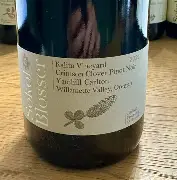
1st Reserve Bottle Red: Sokol Blosser, Pinot Noir, Kalita Vineyard, Yamhill-Carlton, Willamette Valley, Oregon (2022)

For the wine snob: What started as a dry winter turned into a deluge of rain in the springtime. We had the wettest and coldest April/May/June in recorded (130 years) history. Freezing temperatures on the morning of April 14th and 15th knocked back the fragile new growth and we thought our crop yields would be down by 50-60%. In over 51 years of growing grapes here in the Dundee Hills we have never seen a freezing event during the growing season, so we had no idea what was going to happen. The primary buds froze and died, but the secondary buds came on, produced fewer but larger clusters, and the vines made a miraculous comeback. We had the 2nd warmest and driest summer on record, and then we got to October. Everything depended on good ripening conditions in the month of October since bloom was much later. Fortunately we got the warmest October in Oregon history, we were able to let the grapes hang, and the rains stayed put until all our Estate fruit was in on Thursday, October 27th. The fruit got nice and ripe, and we are thrilled with the wine produced from this vintage.


For the rest of us: An abundance of black fruit with blackberry, black currants, and black cherry with fresh blossom. A big, rich Pinot Noir with a perfect balance between fruit and tannins.

1st Reserve Bottle White: Lang & Reed, Chenin Blanc, Mendocino, California (2022)

For the wine snob: This wine’s vinification is a collaborative effort between Winemakers John Skupny and his son, Reed Skupny. Reed has had his hand in making white wine on three continents – Sauvignon Blanc in New Zealand, Chardonnay in Napa Valley and Chenin Blanc in Chinon, France. For this wine, the grapes were whole-cluster pressed, left to settle for a day, and then transferred into 14 barrels, four of which were stainless steel and ten were French oak. Half was allowed to ferment on the indigenous yeast, and half was inoculated with select organic yeast strains. The lees were stirred, also known as batonnage, bi-weekly until two months before bottling. The final assemblage proved greater than any of the individual barrels.


For the rest of us: Engaging aromas of mixed stone fruit, lychee, and honeysuckle are followed by similar flavors on the palate with a lifting texture that includes a touch of varietal beeswax. The flavors linger with a pleasant mix of fruit and other savory impressions. The firm acidity both assists in supporting the middle richness, as well as providing for a bright, mouthwatering, and refreshing wine.

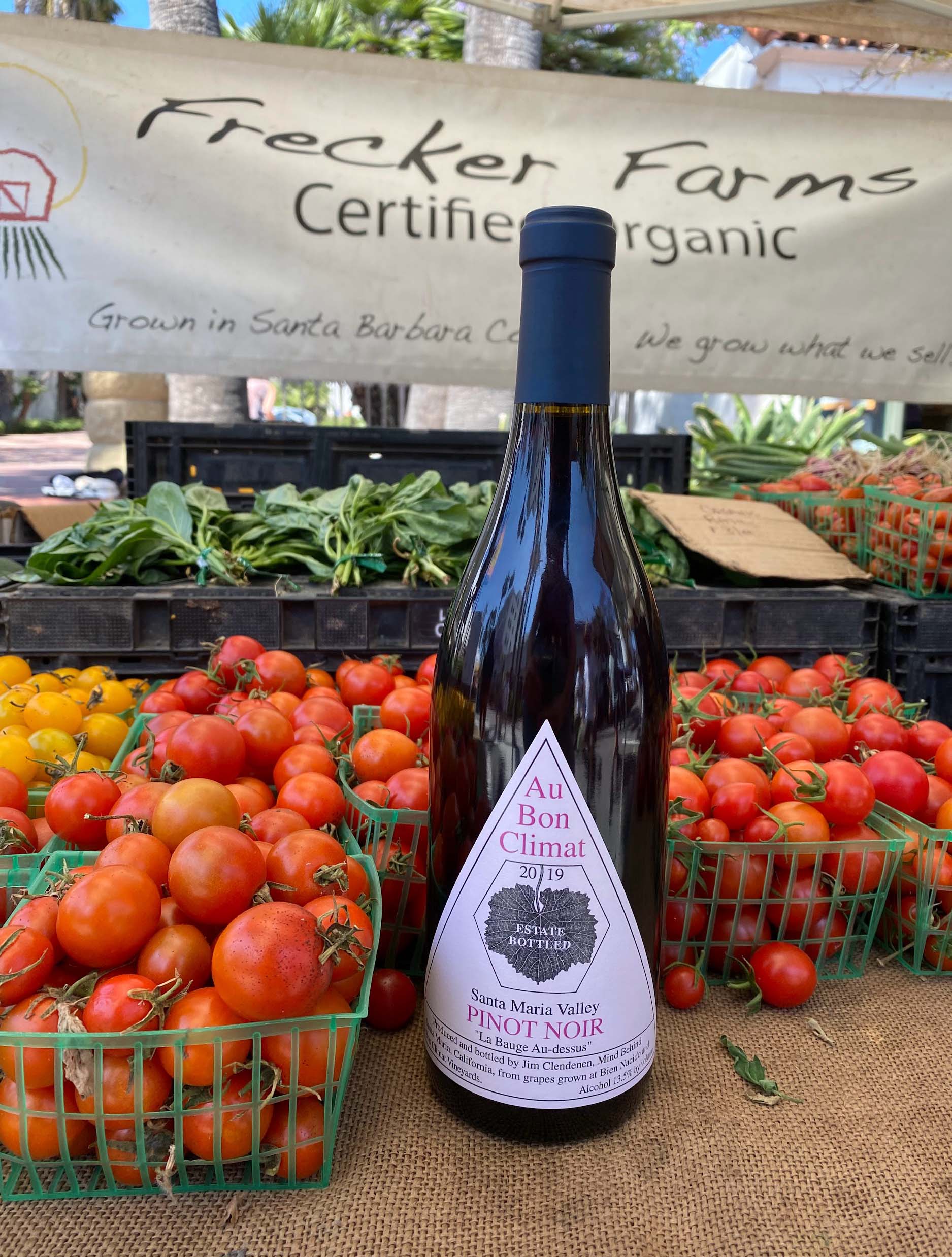
2nd Reserve Bottle Red: Au Bon Climat, ‘La Bauge Au-Dessus’ Pinot Noir, Santa Maria Valley, California (2023)

For the wine snob: The fruit is from the highly regarded Bien Nacido Vineyard, as well as another key vineyard of the Santa Maria AVA, Solomon Hills Vineyard. The cool, steady growing season of 2023 led to slow, consistent ripening, with harvest occurring 3–4 weeks later than average. This extended hang time allowed for excellent retention of structure and depth. Our wines achieved healthy yields without compromising intensity. As with all our Pinot Noirs, we are “hands-on”. Every Pinot Noir is fermented in 5-ton open-top fermenters, which are punched twice a day. These punch downs breakup the cap of skins that rises to the surface back into the juice so the fermentation process extracts the best part of the Pinot grapes. The wine is pressed and goes to barrel with moderate lees. Our “La Bauge” Pinot Noir is aged in 20% new François Frères French oak barrels. The wine was carefully racked in the spring and then aged once again for 18 months total. It was lightly fined with egg whites, settled, and then bottled unfiltered.


For the rest of us: This wine captures the essence of Santa Maria Valley fruit with vibrant red berry, black tea, sarsaparilla root, and ginger aromas. As it opens, earthier notes of portobello mushroom and leather emerge, adding depth and complexity. Bright blood orange and rosewood accents balance the chalky tannins and soft oak, while lively acidity provides structure and an elegant mouthfeel. A complex wine now with age-ability.

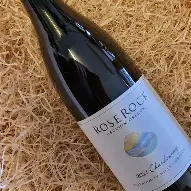
2nd Reserve Bottle White: Roserock, Chardonnay, Eola-Amity Hilla, Willamette Valley, Oregon (2023)

For the wine snob: Roserock Chardonnay brings together the estate’s three Chardonnay blocks, which are handpicked and sorted. The Chardonnay is pressed immediately, and sent in equal parts to tank and barrel. Once malolactic fermentation is complete, Véronique assembles the two portions into her final cuvée. In 2023, budbreak was unusually late, starting on April 30. Next came an unexpected heat surge and minimal rainfall, a lasting pattern which compressed the period from budbreak to bloom to less than 45 days (a record)! Our vineyards adapted well to these surprises, and when harvest started on September, the fruit looked great. Towards the end of the month, we saw some significant rains. The overall harvest concluded on October 5th.


For the rest of us:

Fresh and complex, our 2023 Roserock Chardonnay reflects the vibrant character of the Eola-Amity Hills vineyard. Bursting with aromas of crisp green apple, honeysuckle, gardenia, and lemon zest, the wine unfolds on the palate with a generous roundness and refreshing citrus, ginger, and whisps of nutty crème. Its precise acidity and stony minerality provide a delightful balance, mixing energy with elegance. This wine is delicious now and will evolve happily over the next 7-10 years.

Call Us